
Mandarin Chinese Tones
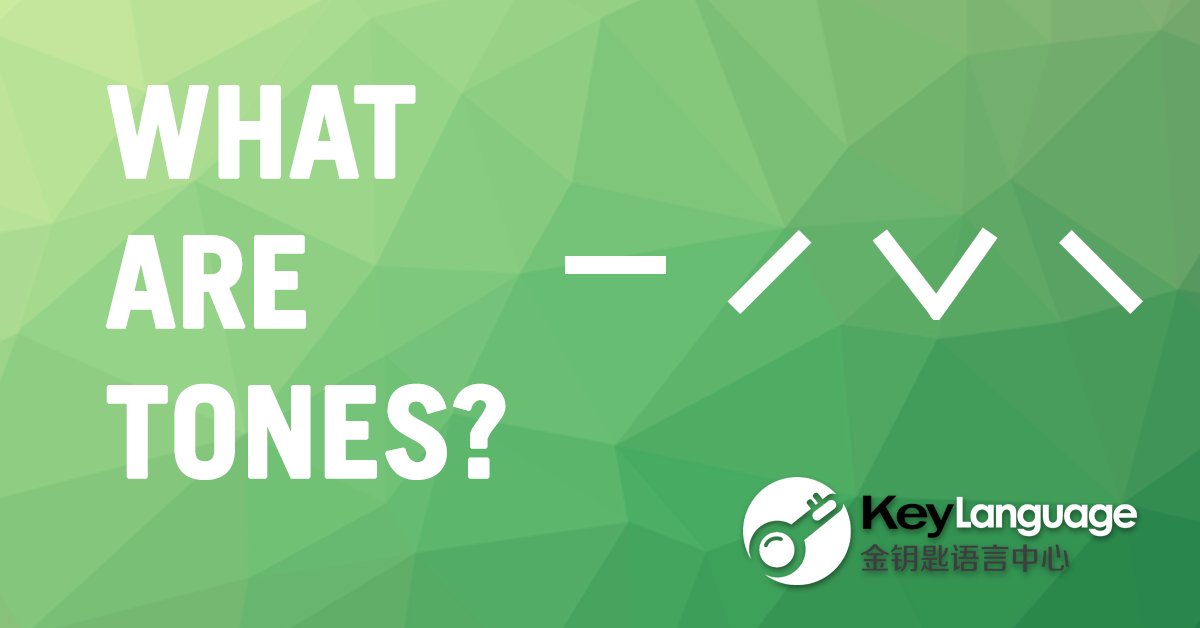
In Chinese, each syllable (or character) has a tone, and in Mandarin there are four tones. In PinYin(Chinese Phonetics), the mark above a syllable indicates its tone: ( ˉ ) first tone, ( ́ ) second tone, ( ˇ ) third tone, and ( ̀ ) fourth tone. Some words have unstressed syllables which are toneless and therefore are not given tone marks. Structural words like particles are also often unstressed and are similarly unmarked.
First tone: ( ˉ )
Constant high pitch
Second tone: ( ́ )
Rapidly rising pitch
Third tone: ( ˇ )
Rapidly falling, then rapidly rising pitch
Fourth tone: ( ̀ )
Rapidly falling pitch
In speech, when a third tone precedes another third tone, it is changed to a second tone. Also, the pronunciation of yi “one” and bú “not” varies according to their context. yi “one” is first tone in counting, but otherwise would be second tone, yí. Similarly, bù “not” is fourth tone but changes to second tone bú when it comes before the fourth tone.
Tones can be confusing and difficult to use at first, but remember, in actual communication, the context and facial expressions will all help in conducting a successful conversation. So, do not be put off by the tones. If you listen carefully and mimic native speakers, you will be able to pick them up with relative ease.
You can learn more by joining us in our mandarin classes. Visit http://www.keylanguagetraining.com for more information.

nice post,thanks for share.